
Homesick, Part Two: When It’s Your Child, Not You

I’ve been at this summer camp thing for over thirty years now.
My own parents first sent me to an all-girls camp for two weeks when I was seven. I begged to go. Deeply begged. My older sister, Jane, was going, and I just knew I could do it too.
In a nutshell, little Anne went from dying to go to camp to desperately homesick and dying to go home. Every. Single. Day. To the point that I’m fairly certain I drove the camp director absolutely nuts— and, in the process, inhibited my own experience.
And then, slowly, something shifted.
By the final few days, I let myself engage. I made friends. I had fun. So much so that when my parents came to pick me up, I hid because I didn’t want to leave.
That first summer converted me. I returned for ten more summers, growing from camper to counselor and beyond. Camp became a place where I learned who I was, how to be brave, and how to stay when things felt uncomfortable.
Over the years, my camp career grew. One thing I know for sure is this: there is no single prescription for a child’s success at camp. But there are patterns, especially when it comes to homesickness.
And still… nothing prepared me for the moment it was my child.
When the Roles Reverse
I’ve spent years talking with parents about homesickness. Reassuring them. Training staff. Explaining why it’s normal and manageable.
But expertise doesn’t soften the experience when it’s your own child standing in front of you with wet eyes.
When my youngest daughter, Alida, first went to camp, she was adamant about going. There was just one catch- technically, she was right on the edge of the age cutoff.
My husband and I talked it through. Alida had grown up around camp. She understood what she was asking for. So instead of deciding for her, we created a readiness checklist together.
Could she dress herself?
Brush her teeth independently?
Manage basic hygiene without reminders?
I should have known my girl would check every single box.
She earned her spot as a first-time camper fair and square.
The Moment I Had to Pause
From afar, camp seemed to be going beautifully, until the last day.
I caught a glimpse of her eyes and knew something was off.
When I connected with her counselor, she smiled and said, “Oh, she’s fine. She’s just a bit homesick.”
Yes. Even the camp director’s kids get homesick.
In that moment, every instinct in me wanted to scoop her up, hug her tight, and make the feeling go away. But instead, I paused.
My daughter had told an adult how she felt.
She named her uncertainty.
Her counselor listened and comforted her.
And then… she moved on.
She was okay.
She is okay.
And in that small but powerful moment, I was reminded of something I already knew, but needed to feel again as a parent.
What That Moment Taught Me
Homesickness is not a failure.
It’s a feeling.
And learning how to move through it is a skill.
Even the youngest campers wrestle with the unknown. That strength of character, often called grit, comes from sitting with discomfort and discovering that it doesn’t break them.
My job in that moment wasn’t to remove the feeling.
It was to trust my child’s capacity to navigate it.
If you’re curious about why homesickness shows up, and why it’s such a normal part of growth, I explore that more deeply in The Truth About Homesickness at Camp.
The Hardest Part for Parents
Homesickness can be particularly challenging for parents.
Receiving a letter, or imagining your child feeling sad while you’re physically separated, can feel unbearable. Our instinct is to fix it, to take ownership of their discomfort, to bring them back under our wing.
But one of the most powerful gifts we can give our children is confidence in their own ability to cope.
That doesn’t mean minimizing their feelings.
It means validating them without borrowing them.
If you’re looking for guidance on how to respond, especially through letters or phone calls, I break that down in How to Support Your Child Through Homesickness (Without Making It Worse).
Making This Actionable (Without Overthinking It)
If your child is preparing for camp, or any time away, here are a few grounding questions to sit with:
Did my child have a voice in this decision?
Have we talked honestly about what might feel hard?
Do they know who to go to when they need help?
You don’t need to prevent homesickness for camp to be successful. You just need to prepare for the possibility, with steadiness and trust.
If you want a deeper, step-by-step way to prepare both yourself and your child, you’ll find that in my Parent Resource Guide for Choosing and Preparing for Summer Camp.
A Closing Thought (A Gentle Reminder)
Loving our children doesn’t always mean removing discomfort.
Sometimes it means trusting the process and trusting them.
Camp offers children a rare chance to discover who they are outside our immediate reach, supported by caring adults in a place designed for growth.
Even if they miss home a little, they are learning something lasting:
They can feel hard things AND keep going.

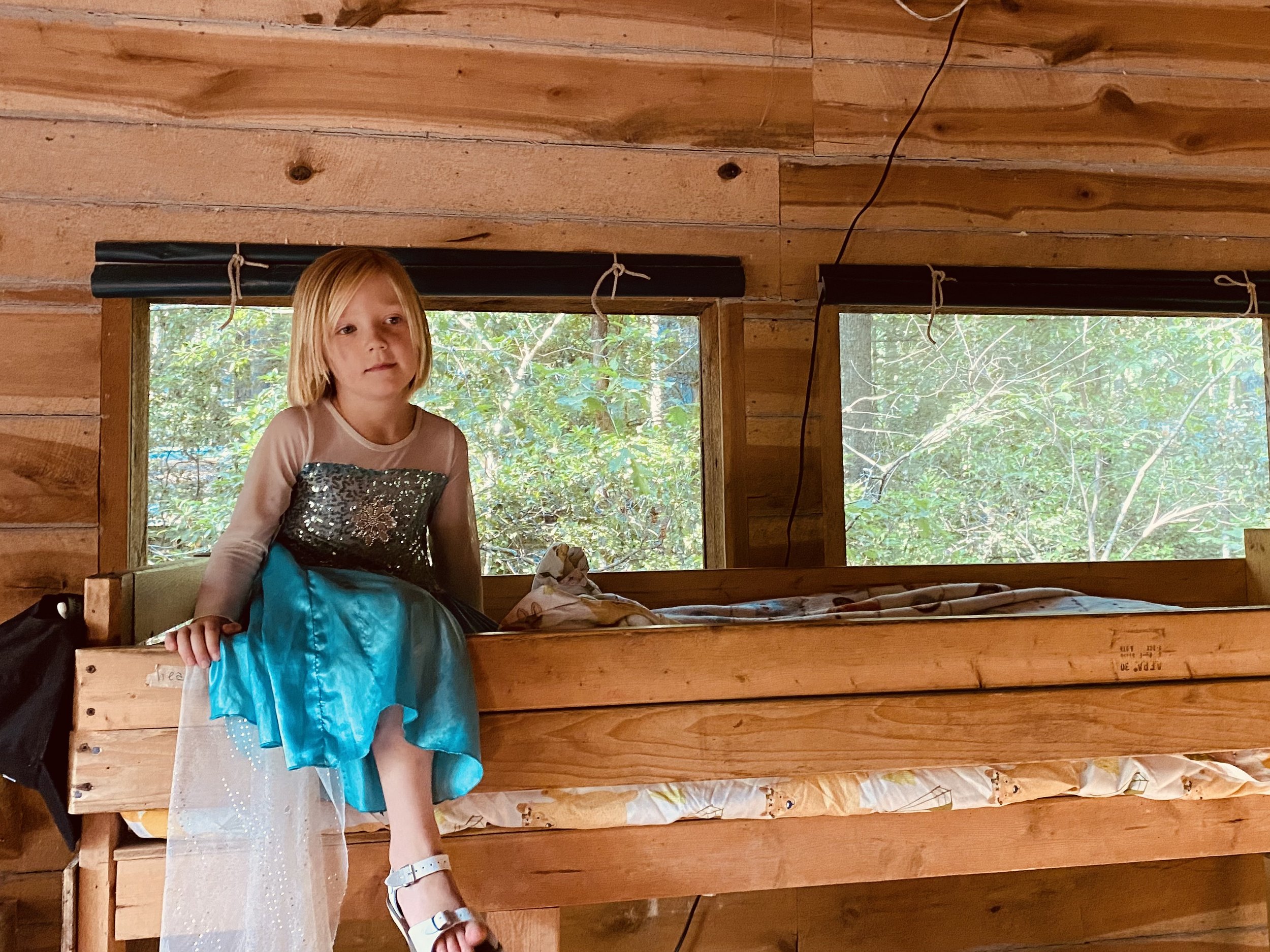
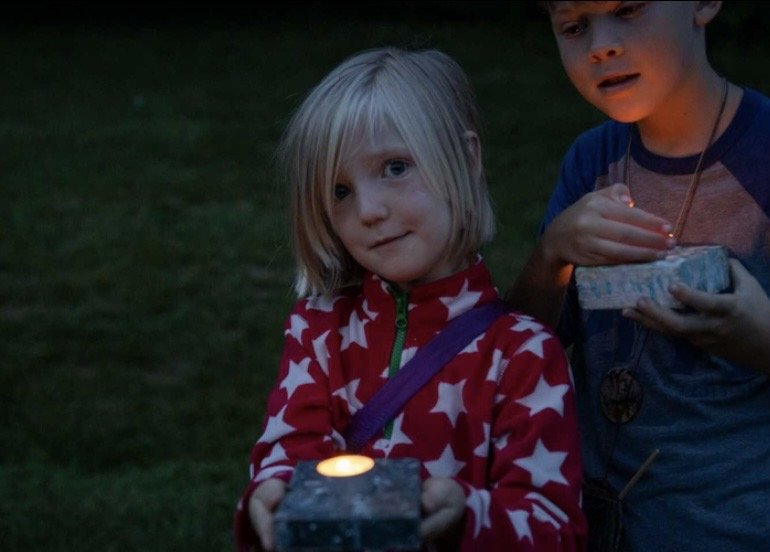
My girl- her first summer at sleep away camp.
