
From Conference Ballroom to Campfire: Why We Must Rethink the Story of Summer Camp
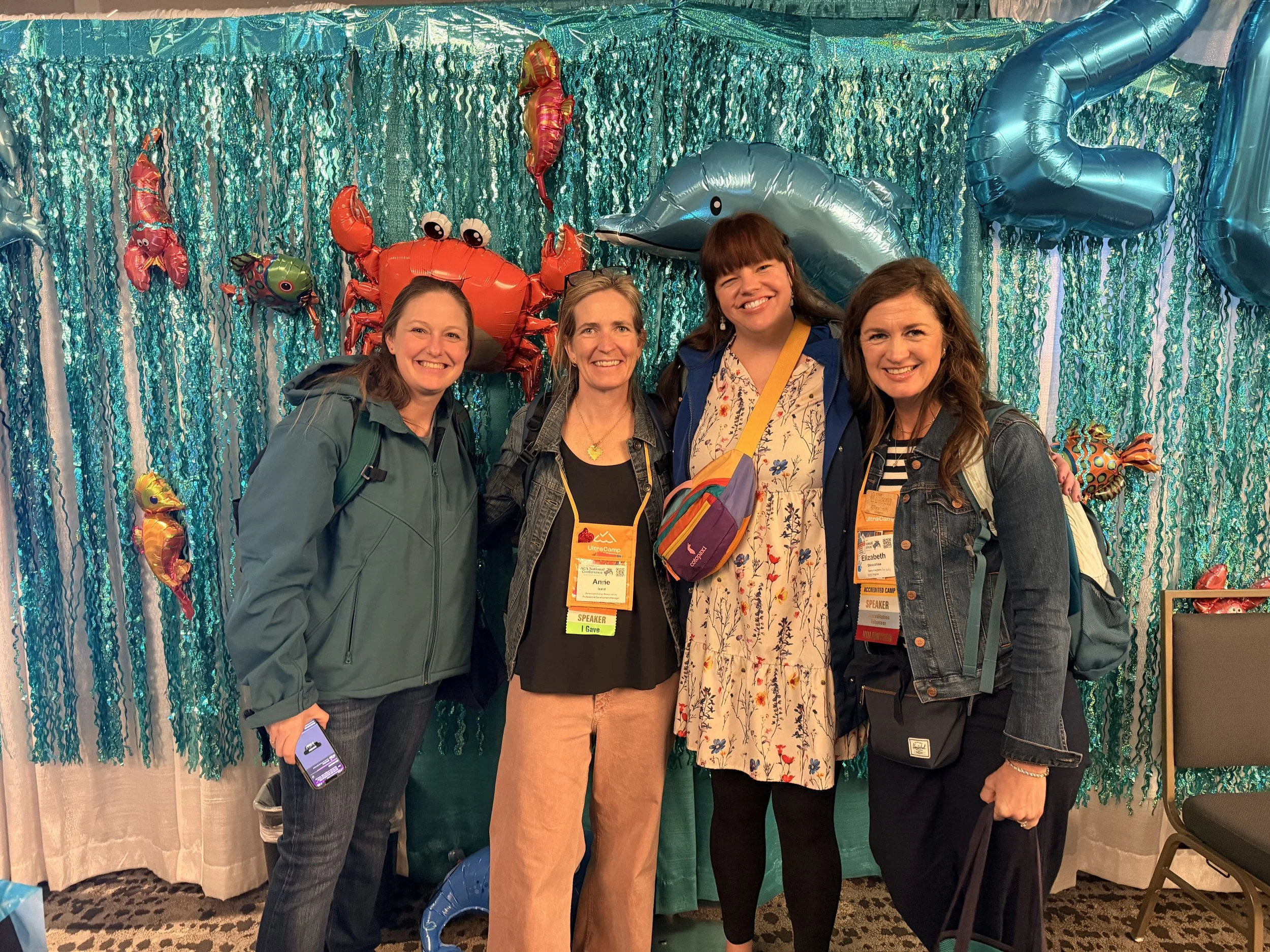
This is my mastermind group. We met 15 years ago at the ACA conference, as 4 camp directors who wanted to grow. We have met monthly sharing resources, solving problems together, and now presenting at conferences together. This year we shared two presentations on communication and trust with parents.
(Part 1: What It Meant to Be in the Room)
Last week, I stood in a ballroom with 1,800 camp professionals at the annual American Camp Association National Conference.
For four days, leaders from across the country gathered to learn, collaborate, wrestle with hard questions, and strengthen the future of youth development.
During that time, I had the privilege of leading three sessions:
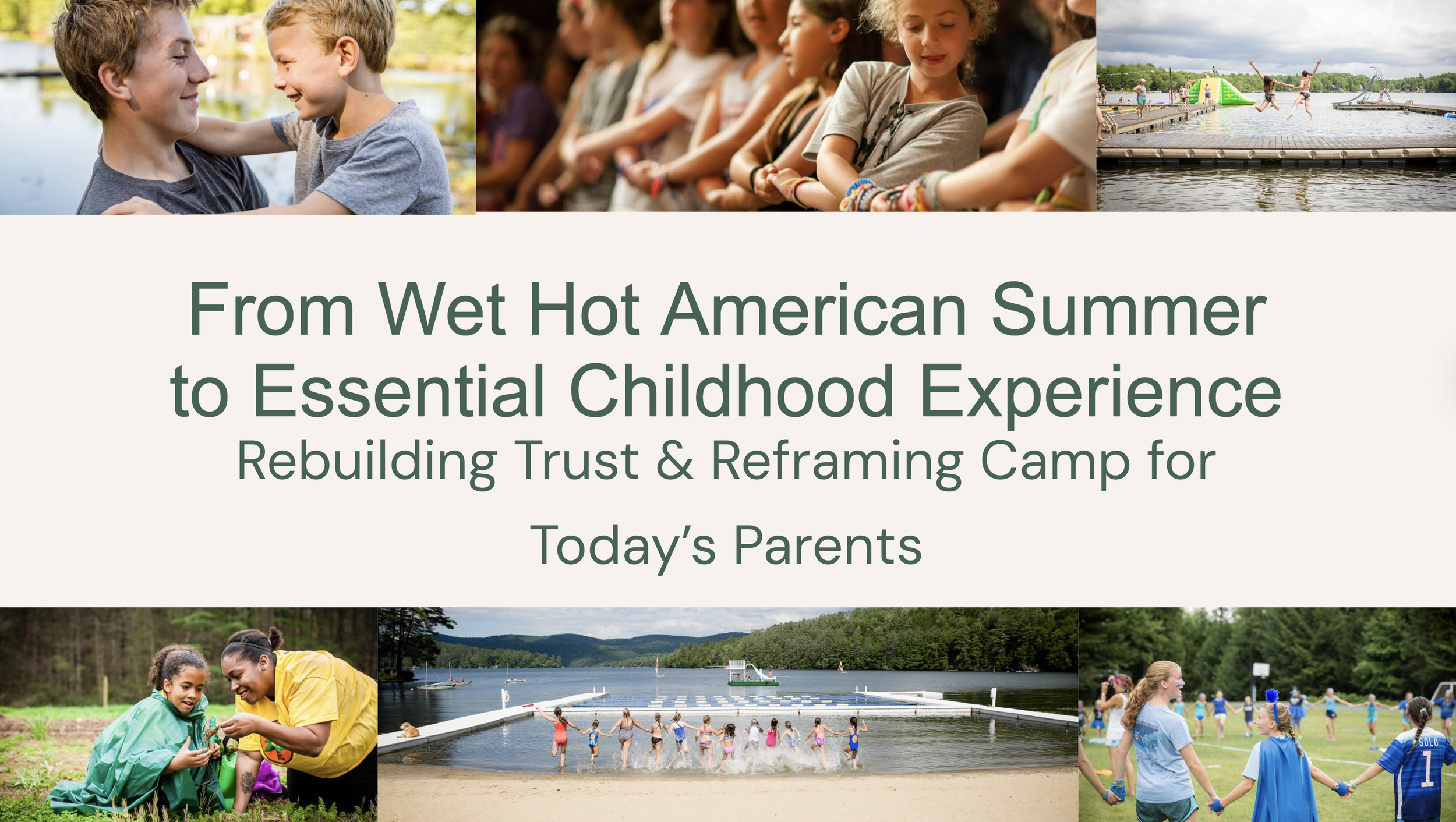
Two focused on building trust with parents and strengthening communication in an era of rising anxiety.
One alongside members of the ACA crisis and hotline response team, discussing how camps navigate high-stakes situations with clarity and care.
What struck me most wasn’t the logistics.
It was the tone in the room.
Camp leaders are not unaware of the cultural shift.
They feel it.
They feel the weight of parental hesitation.
They feel the pressure of safety expectations.
They feel the economic strain that families are under.
They feel the urgency of rebuilding trust.
And yet, what I witnessed over those four days was not defensiveness.
It was a deep commitment.
Commitment to doing this work well.
Commitment to children.
Commitment to emotional development.
Commitment to safety that is layered and thoughtful.
Commitment to evolving.
When 1,800 professionals voluntarily spend four days talking about safety protocols, communication frameworks, emotional development, and crisis response, it reinforces something important:
Camp is not casual.
It is intentional.
And it is evolving.
And It Felt Personal
As I sat in those sessions — presenting, listening, learning — I wasn’t just there as a camp professional.
I was also there as a parent.
This season of my life has included long drives, school transitions, letting go in new ways, and feeling that quiet ache of watching your child grow beyond you. Independence sounds beautiful in theory.
It feels vulnerable in practice.
Sitting in that conference space while also parenting in real time reminded me:
This conversation isn’t theoretical.
It’s deeply personal.
Every time a parent asks, “Is my child ready for overnight camp?” they are asking something bigger:
Can I let go?
Will they be okay?
Will this help them grow, or will it hurt them?
Those questions deserve more than marketing.
They deserve clarity.
The Cultural Story of Camp Is Outdated
For decades, camp rode on nostalgia.
Parents who loved camp sent their kids to camp.
The message was simple:
It’s fun.
It’s magical.
It’s the best summer ever.
But today’s parents are raising children in a very different cultural climate:
Rising anxiety — in both adults and children
Economic strain and difficult financial tradeoffs
Headlines that amplify fear
A culture of hyper-communication and control
Screens replacing discomfort and face-to-face conflict
In that context, “fun” is not a compelling enough reason.
The story needs to evolve.
Because summer camp is not just fun.
It is formative.
What Parents Are Really Asking
In one of my sessions, I asked a room full of camp leaders:
“What’s one sentence you’ve heard from a hesitant parent this year?”
The answers came quickly.
“I’m nervous about safety.”
“I don’t know if my child is ready.”
“What if they’re homesick the whole time?”
“Is it really worth the cost?”
On the surface, these are logistical questions.
Underneath, they are emotional ones.
My child might suffer.
I won’t be there to protect them.
I could make the wrong decision.
I might regret this.
Parents aren’t irrational.
They are responding to fear, overload, and a broader loss of institutional trust.
And here’s the shift that matters:
Parents aren’t just evaluating camp.
They’re evaluating whether any institution deserves trust right now.
That changes how we respond.
Why Summer Camp Is More Important Than Ever
When we frame camp as optional nostalgia, we diminish its power.
Camp is one of the last immersive environments where children practice:
Independence away from home
Emotional regulation in real time
Social conflict without screens
Collaboration and leadership
Resilience through discomfort
Confidence through mastery
Camp is an out-of-school learning ecosystem.
It is a structured environment intentionally designed for growth.
In an era of over-scheduling and over-supervision, camp offers something increasingly rare:
Supported independence.
That is not extra. It is essential.
If You’re a Parent Reading This
If you are currently asking:
Is summer camp worth it?
How do I prepare my child for homesickness?
Is overnight camp safe?
How do I choose the right camp?
What questions should I ask before enrolling?
You are not overthinking it.
You are being thoughtful.
And thoughtful parents deserve thoughtful guidance.
That’s exactly why I wrote How to Choose the Right Summer Camp: A Parent’s Guide to Confident Decisions.
This guide walks you through:
How to evaluate safety and leadership
How to assess culture fit and belonging
What homesickness actually means (and why it’s not failure)
The real developmental benefits of summer camp
The questions most families forget to ask
It’s not a glossy brochure.
It’s a framework to help you move from fear-based decisions to informed, values-aligned ones.
You can learn more about the book here: Parent Guide to Choosing the Right Summer Camp
Because choosing camp shouldn’t feel like a gamble.
It should feel like a thoughtful investment in your child’s growth.
Coming in Part 2
In the next post, I’ll share the most powerful framework from my parent trust session:
How to respond to the fear underneath the question.
Because parents don’t need more information.
They need help believing their child will be okay — and better for it.
And that shift changes everything.
